Zymbol
Founding and globally distributing a critically lauded international magazine of contemporary literature and art.
The situation
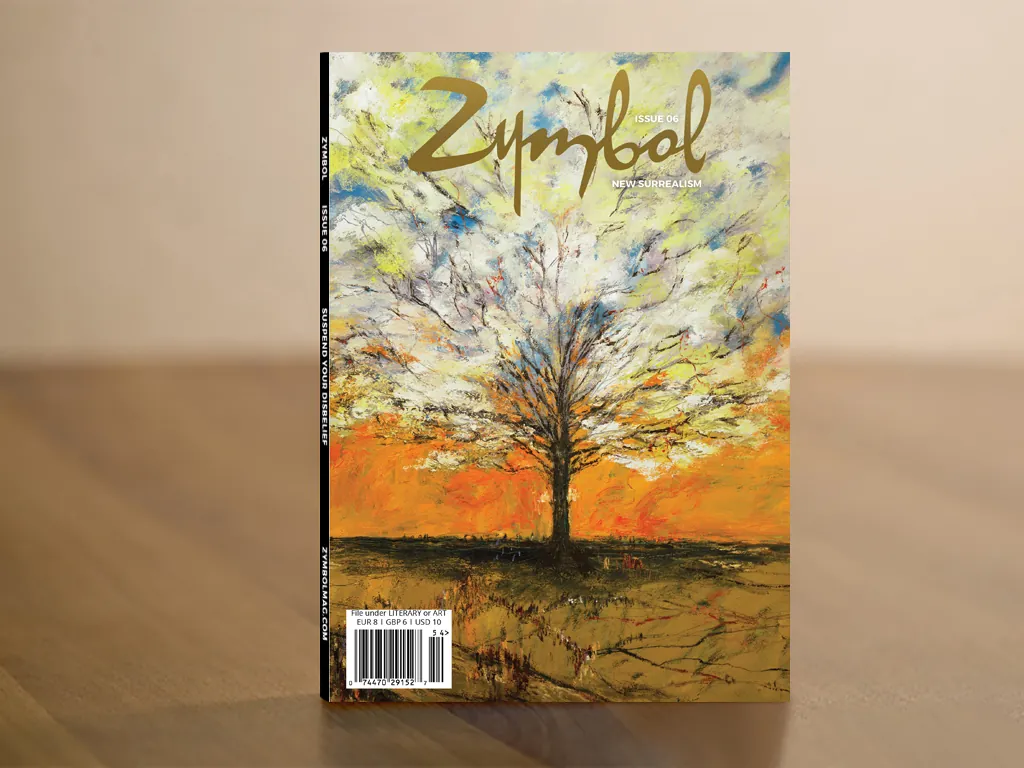
In 2012, I founded Zymbol in Boston: a twice-yearly print magazine of art and literature inspired by Symbolism and Surrealism. I saw a gap for a publication that was surreal but grounded in everyday experience, and a community of writers and artists with nowhere obvious to bring that work.
What I did
- Built an international network of contributors. Within two years, Zymbol had published writers and artists from more than 20 countries.
- Brokered partnerships with artists and galleries. Partnered with Los Angeles gallery Century Guild to publish never-before-seen pages from Clive Barker’s private dream notebooks, and an in-depth profile of Symbolist master painter Gail Potocki. NewPages covered the partnership ahead of publication.
- Funded it through the community. Deliberately structured Zymbol as a 501(c)(3) nonprofit so that donations would be tax-deductible, then ran crowdfunding campaigns built around limited-edition art prints and signed editions. Our Kickstarter for Issue 6 beat its goal with 93 backers and was selected as a Kickstarter “Project We Love.”
- Secured national and international distribution. Placed Zymbol with Barnes & Noble, Books-a-Million and independent retailers across the US, and with stockists abroad: Foyles in the UK; The Winding Stair, Books Upstairs, Project Arts Centre and The Library Project in Ireland; and Verso Branco in Portugal.
- Took it beyond the page. Released ebook editions, made the magazine available through digital library services for public libraries, and took it on the road to the Brooklyn Book Festival, the Massachusetts Poetry Festival, book launches in New York and academic conferences in London. When the Association of Writers & Writing Programs (AWP) Conference came to Boston, we hosted a live reading party.
What changed
- A small independent title reached readers through major retailers in the US, UK and Ireland, public libraries and digital editions, with copies reaching readers on six continents.
- Contributors went on to publish award-winning books and open solo shows.
- Independent reviewers took notice. Reviewing our first issue, NewPages singled out one story as having “the most enticing first paragraph of a short fiction piece I’ve read in a long time.”
- In 2017, Zymbol merged into a larger publishing group.
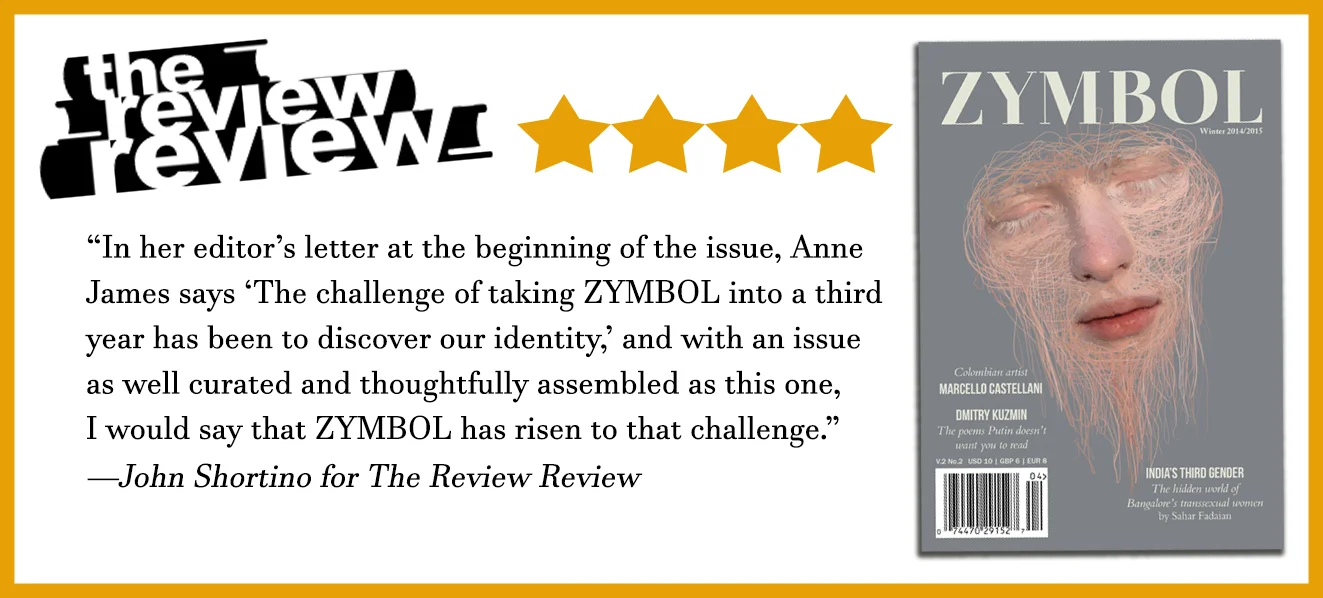
![The Summer/Autumn 2015 cover, a black-and-white portrait of painter Gail Potocki by photographer Allan Amato, with cover lines for Clive Barker’s private notebooks, beside press quotes. Allan M. Jalon, critic for the LA Times and Huffington Post: “[Editor Anne James] shows insight to have taken surrealism as a touchstone for her publication.” NewPages Reviews, May 2013: “Easy to read and rich in imagery … will make you think.” KGB Bar Magazine, April 2014: “Gaining momentum and creating a buzz in the literary community.” Poet Jennifer Jean at the Massachusetts Poetry Festival: “I heart @Zymbolisms!!! Wonderful reading tonight!!!”](../images/projects/zymbol-press-800.webp)
Takeaway
Zymbol worked because people rooted for us. Some backed our Kickstarter campaigns, but the support went well beyond money: writers and artists told everyone they knew about the magazine. We earned that by being transparent about how we worked, by answering every contributor’s email and call, and by doggedly pushing niche literature and art into wide distribution so it reached new hands. A community of supporters is built through trust and follow-through, and that’s what every cultural organisation needs from its audiences now.
Have a project like this?
Whether it's an AI policy gap, a strategic plan or a question about your audience, the first conversation is free and unhurried.
Get in touch